U.S. flat-rate shipping $4.99 on all paperback orders
Emerging from Oxford, a young woman with literary aspirations stumbles into an unwanted pregnancy at a time-the 1950s-when abortion is illegal in Britain.
Paperback pre-orders now accepted! Estimated ship date: September 2026
It’s the 1950s and Irene Tanner, the granddaughter of a stoker, has managed to survive the Blitz, climb out of a dreary lower middle-class background, and make her way at Oxford. But just as she’s about to complete her studies and embark on a literary career, she stumbles into an unwanted pregnancy. Abortion was illegal in Britain in those days. But Irene is determined to live her life by her own lights.
Originally published in 1988 and long out of print, Her Own Terms is an unjustly forgotten feminist classic whose brilliant and sympathetic protagonist represents a generation of ambitious women.
Born in 1937, Judith Grossman grew up in England, obtained a degree from Oxford, and came to the United States for graduate study, earning a PhD at Brandeis. Her short stories have appeared in Ploughshares, TriQuarterly, North American Review, Santa Monica Review, and elsewhere. Grossman taught creative writing at the University of California, Irvine; the Iowa Writers Workshop; Emerson College; and Warren Wilson College. Her Own Terms, first published in 1988, was followed by the story collection How Aliens Think from Johns Hopkins University Press. Grossman prefers the short story for its formal beauty, but thinks all writers have one novel in them. This is hers.
“A remarkable novel: the terse, poetic narrative of a young working class woman artist coming of age. It has both depth and economy, and feels to me like a classic.” — Adrienne Rich
“A witty, ambitious and cant-free first novel whose heroine grows up lower-middle-class in London and Oxford in the '50s and '60s, baffled because feminist social analysis hasn't been discovered yet.” — New York Times Book Review
“Extraordinary.” — Newsweek
“Wry and affecting.” — San Francisco Chronicle
“A well-constructed, absorbing novel and a treatise on class and gender boundaries… Excellent.” — Seattle Times
“A fierce but never polemical indictment of social mores and class differences… Readers will be drawn to this forthright, bright and attractive character.” — Publishers Weekly
“Beneath its highly polished veneer… conveys an immense compassion for women who came of age in a certain time and place.” — Philadelphia Inquirer


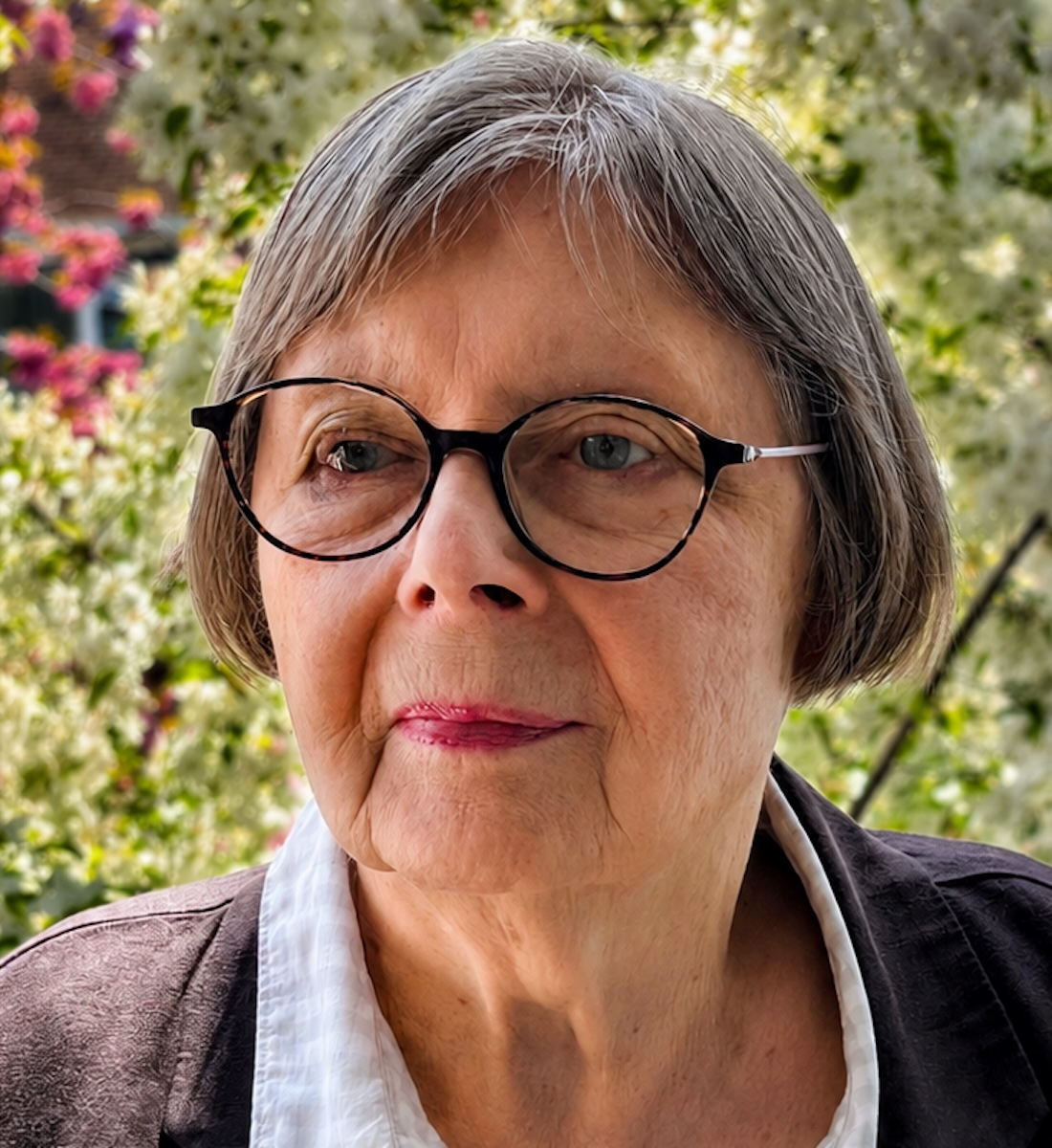 Born in 1937, Judith Grossman grew up in England, obtained a degree from Oxford, and came to the United States for graduate study, earning a PhD at Brandeis. Her short stories have appeared in